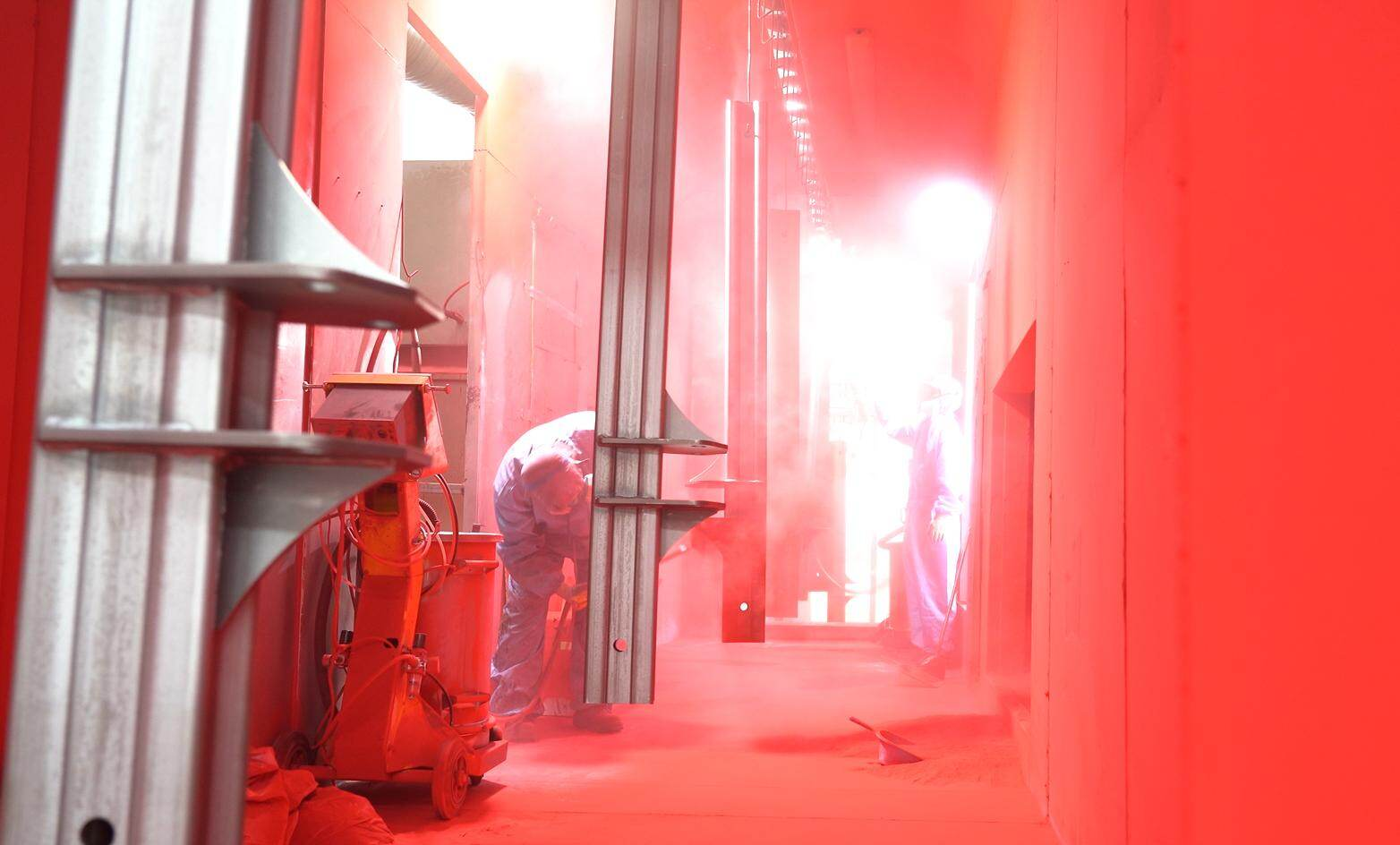
Surface finishing is often discussed at the end of a manufacturing project, but it should be considered much earlier. The finish can affect appearance, protection, maintenance expectations and how a component fits into a larger product. When finishing is planned together with welding, machining, forming and assembly, the final metal part is more likely to meet the complete project requirement.
Finishing is part of the component specification
A metal component is not defined only by its shape. Buyers also need to consider the surface condition required for the product environment and final use. The finish may support the appearance of visible hardware, the protection of a working part or the overall consistency of an assembled product.
For this reason, finishing details should appear in the RFQ and drawing package. Include the target surface appearance, any relevant application conditions, masking areas, critical dimensions and whether the part will be welded, assembled or handled after finishing.
Connect finishing with upstream processes
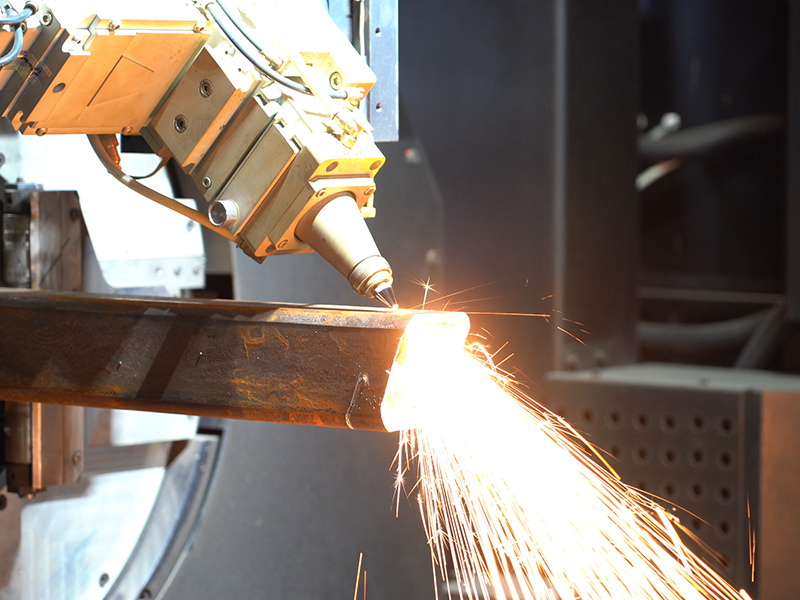
Welding, tube processing, sheet metal working and machining can all influence the final surface condition of a component. If finishing is selected without considering these earlier processes, the buyer may face avoidable rework or inconsistent appearance. A coordinated supplier can review how the complete process should be arranged.
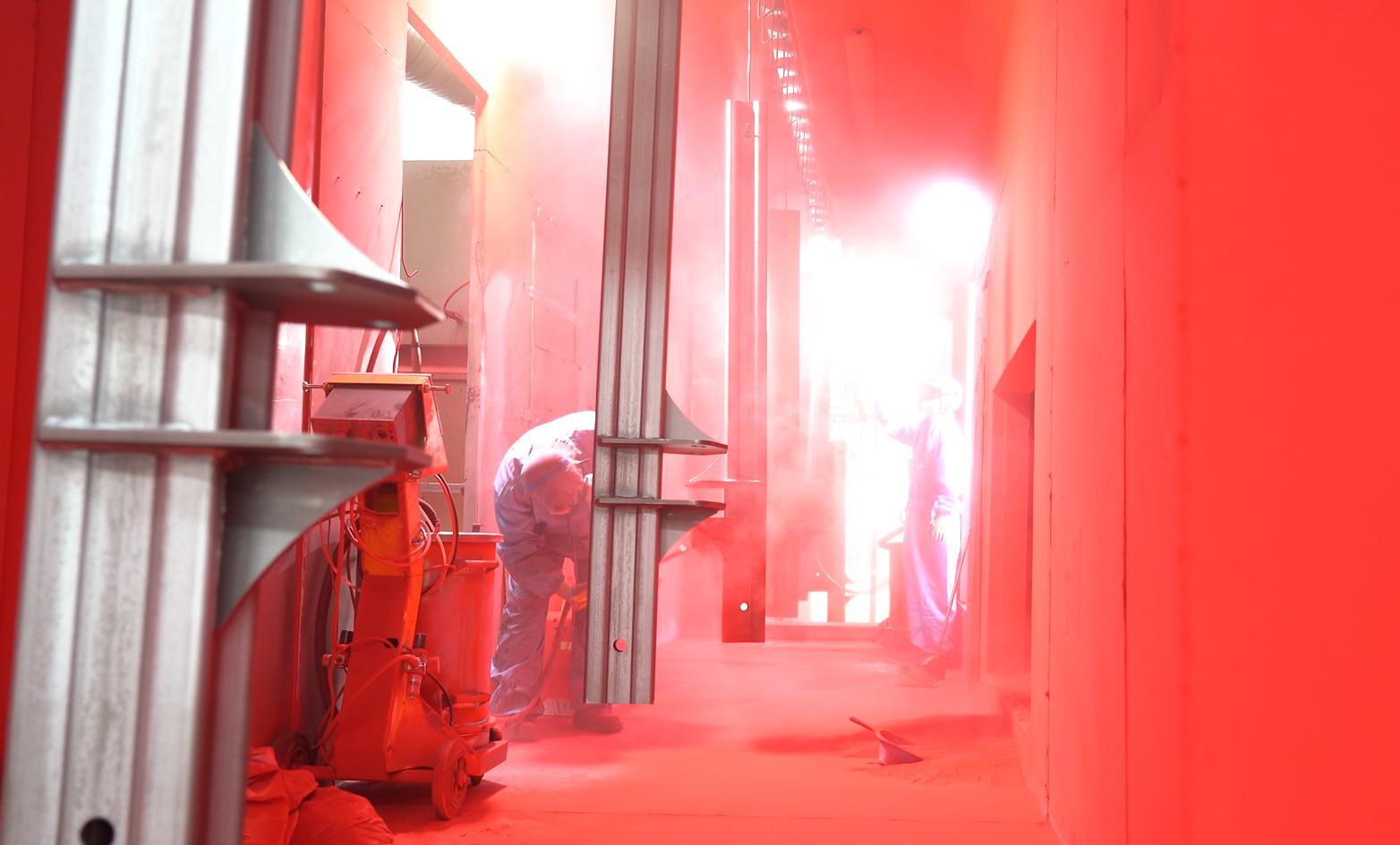
Pafic Mfg presents surface finishing as part of its wider metal working offer. Its listed services include surface finishing, chemical nickel plating, copper plating and stainless steel surface treatment, alongside tube processing, tube bending and other fabrication categories.
Ask the right questions about treatment selection
The best treatment depends on the part’s material, application, appearance, handling and production requirements. Buyers should ask what information the supplier needs before recommending a process and whether the proposed treatment is suitable for the intended environment. It is also important to confirm any areas that must remain untreated for assembly or electrical contact.
A clear treatment discussion reduces ambiguity between ‘plated,’ ‘treated’ or ‘finished’ as general terms. The final quotation should identify the agreed process, inspection expectations and any sample approval requirements.
Choose a manufacturing partner with an application focus
Finishing decisions are stronger when the supplier understands where the component will be used. Pafic Mfg works with precision components for agricultural machinery and children’s play products and provides OEM parts and hardware solutions. That application context can help buyers frame the discussion around the finished product rather than a surface process in isolation.
Pafic Mfg also emphasizes quality, customer-focused support and long-standing customer relationships. For recurring component programs, those factors can be important when finish specifications evolve with the product.